Tight neck on the morning commute, a low back that stiffens during meetings, hips that creak after a weekend run through Lloyd Park, shoulders that feel pinched when you reach for the top shelf. If that sounds familiar, you are in good company across Croydon. Screens, seated work, stop-start traffic on the A232, bumpy tram rides, and the simple reality of modern routines take a toll on how we move. Posture and mobility problems rarely arrive overnight. They build through small compensations day after day until one twist, one reach, or one long car journey tips the system into pain.
I have spent years working with people who live and work around Croydon, South Croydon, Purley, Sanderstead, and Shirley. The same themes recur, but each body tells a different story. The value of a Croydon osteopath is not just hands-on skill. It is local context, practical coaching, sensible load management, and the judgement to separate the harmless aches from the red flags. When you find a registered osteopath Croydon residents trust, you get a clinician who blends manual therapy with clear advice, who knows the terrain you move through, and who treats you as an individual, not a diagnosis.
What an osteopath actually does
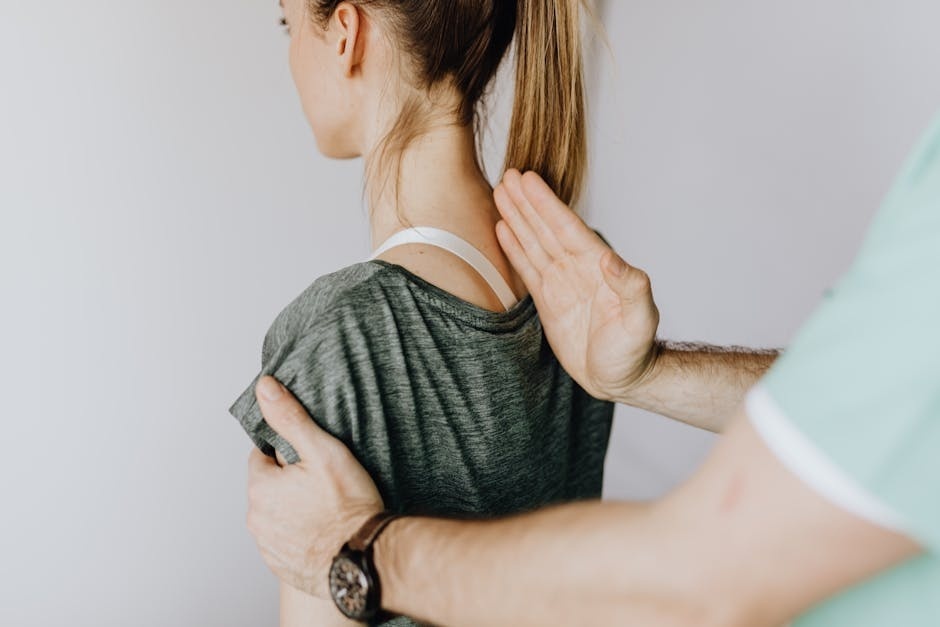
Osteopathy focuses on restoring comfortable movement and function across the body’s tissues. An osteopath assesses the way joints, muscles, fascia, and the nervous system interact, then applies hands-on techniques and targeted exercise to reduce pain and improve mobility. The General Osteopathic Council regulates UK osteopaths, so anyone practising must be qualified, insured, and up to date with continuing professional development. In an osteopathy clinic Croydon patients can expect treatment that includes joint mobilisations, soft tissue work, muscle energy techniques, high velocity low amplitude thrusts when appropriate, and graded exposure to movement through exercise. Many osteopaths also provide advice on ergonomics, training plans, recovery strategies, and sleep.
The language matters. Osteopathy is not about forcing your spine back into place. Backs do not slip. Necks do not go out. Bones do not need constant realignment. Pain often reflects sensitivity and load tolerance more than structural damage. Good care helps you move with more confidence and less guarding, builds capacity in the tissues, and teaches you how to steer your own recovery long after the appointment ends.
Posture, mobility, and why they hurt in real life
People often say they have bad posture. In practice, posture is a set of habits shaped by your tasks, not a single correct position you must hold. If you sit for eight hours, stand for two, walk for one, and scroll for an hour before bed, your body adapts to those demands. That adaptation can feel like stiffness when you try to do something your routine does not train, such as overhead pressing at the gym or looking over your shoulder while reversing.
Three patterns show up repeatedly around Croydon offices and homes:
- Stiff thoracic spine with overactive neck extensors: a day at a laptop, shoulders slightly protracted, eyes moving more than the mid-back. When the thoracic region stays immobile, the neck picks up the slack and becomes grumpy under load. Hip flexor dominance with inhibited glutes: long seated periods shorten hip flexors and sap strength from the posterior chain. Then a run up Selsdon hill exposes the imbalance. The knee starts to complain, but the driver lives at the hip. Ankle and foot rigidity after sprains: tram stops and kerbs teach us to brace. Months later, a rigid ankle changes foot mechanics. That adds stress to the plantar fascia or dampens push-off, which makes the calf work harder. The body finds a way to move, but the workaround costs you efficiency and comfort.
When tissues are loaded beyond their capacity, they protest. Sometimes they become overprotective and painful even when the structure is sound. This is why manual therapy Croydon clinics provide aims to ease sensitivity while movement coaching gradually expands the safe zone. You learn to nudge, not batter, your capacity.
Why a local osteopath near Croydon helps more than you think
Health care is not delivered in a vacuum. Local context shapes everything, from your commute to your weekend sport. A local osteopath Croydon patients see week to week can:
- Tailor ergonomic advice to your actual journey, whether you drive the Purley Way, cycle through South End, or hop on the tram from Addiscombe. Match rehab drills to the places you train. If you use the running track in Croydon Sports Arena or lift at The Gym on Church Street, programming can align with the kit you have. Coordinate with nearby professionals when you need more. Chiropractors, physiotherapists, podiatrists, sports physicians, and personal trainers around Croydon often know each other. Good clinicians collaborate, not compete. Offer continuity. Small, regular tweaks beat sporadic, heroic efforts. A short follow-up near the office or home is easier to stick with than a long trek across London.
If you search for an osteopath near Croydon, focus on quality and fit rather than distance alone. The best osteopath Croydon can offer for you is the one whose process you trust, whose plan makes sense, and whose communication style clicks with your way of learning.
Common problems a Croydon osteopath addresses
Across local clinics I see a recurring cluster of posture and mobility complaints:
Neck pain and headaches. Long hours on Teams leads to short, shallow breathing and upper trapezius overuse. Joint mobilisation, soft tissue work, and breath coaching can settle the area, while mid-back mobility drills reduce overload at the neck. Some tension-type headaches respond well when you restore freedom through the cervical joints and teach the ribcage to move.
Low back pain with or without sciatica-like symptoms. Backs dislike monotony far more than movement. A day of sitting followed by a hard evening deadlift session can irritate a sensitised lumbar segment. The aim is to restore varied movement in the hips and mid-back, desensitise the lumbar tissues, then build spinal endurance. When symptoms shoot down the leg, thorough assessment sorts mechanical irritation from more serious nerve compromise. Honest triage prevents wasted time.
Shoulder impingement and rotator cuff pain. Rounded shoulders are not a diagnosis. They do reflect a ribcage that does not rotate and a scapula that does not glide. Treatment frees the thoracic segments and teaches scapular control, then layers in progressive loading for the cuff. Sleep position and desk height often matter more than people realise.
Hip and knee pain in runners. From South Croydon to Shirley Hills, the trails tempt you to do more before your tissues are ready. A plan that increases volume by 5 to 10 percent per week, mixed with calf and glute strength work, creates fewer setbacks than heroic weekend long runs. Footwear and cadence changes sometimes help, but strength and load planning help most.
Plantar fasciitis and Achilles irritability. Flat, hard surfaces and sudden increases in steps sting the plantar tissues. Early management looks like load control, targeted calf raises through full range, and toe strengthening. Manual therapy can calm the area so you can train, then consistent loading remodels the tendon and fascia.
Jaw and upper neck dysfunction. Desk tension and night clenching create a loop of tightness. Gentle joint work and relaxation strategies, paired with sleep hygiene and sometimes a dental guard, can break the cycle.
A strong joint pain treatment Croydon plan blends manual therapy with progressive exercise. The hands-on work is the spark, not the firewood. The carryover into your week, your workstation, and your training makes the real difference.
What happens at your first appointment
Most people arrive a little apprehensive. Good clinics make the process transparent and consent-led from the start.
- A detailed history: current symptoms, aggravating and easing factors, work setup, hobbies, previous injuries, sleep, and general health. Red flag screening: weight loss, night pain, fever, neurological changes, trauma, or anything that suggests you need a GP or urgent care first. Movement assessment: how your spine, hips, shoulders, and ankles respond to simple tasks such as bending, squatting, rotating, and reaching. Hands-on exam: palpation and specific joint tests to map sensitivity and stiffness against your story rather than chase noise. Plan and first treatment: explanation of findings in plain English, options pitched to your preference, and a short set of homework you feel confident to do.
Expect a collaborative tone. You should leave understanding what we think is going on, why it hurts, what will help, and how long it should take.
Safety and standards you can insist on
Every osteopath practising in the UK must appear on the General Osteopathic Council register. A registered osteopath Croydon patients see will display their registration number and insurance details. They will ask for consent before any technique, explain risks and benefits, and encourage questions. If your symptoms do not match a musculoskeletal picture, or if you show red flags such as progressive weakness, saddle numbness, or unexplained systemic signs, a careful practitioner will pause treatment and coordinate appropriate medical referral. Safety beats bravado.
Techniques vary between clinicians. Some use gentle cranial approaches, others lean toward exercise-based rehab with minimal manual therapy. Many blend methods. High velocity thrusts produce audible cavitations that some people find relieving. They are not compulsory, they are not bone cracking, and they are not essential to good outcomes. You are always free to refuse any technique. A capable osteopath will have alternative options.
The role of manual therapy in posture and mobility
Manual therapy Croydon clinics deliver has two main jobs. First, it reduces pain and stiffness in the short term so you can move more freely. Second, it primes the nervous system to accept new patterns of movement. When your neck turns a little more easily after joint mobilisation, we immediately take that new range for a walk with active drills. When your hip flexors feel less guarded after soft tissue work, we load the glutes with targeted exercises so the system holds the gain.
On its own, manual therapy offers temporary relief. Paired with a clear plan and consistent self-care, it becomes a useful lever. The stronger science sits with graded exercise, sleep, and lifestyle factors. A good osteopath south Croydon or central Croydon will explain this hierarchy and organise care accordingly.
Practical coaching that changes your week
The between-session work is where you win. Most people do not need an hour of daily rehab. They need thoughtful, specific moves that fit the day:
Desk fixes that last. Set the screen so your eyes land at the top third. Keep the keyboard close enough that your elbows rest roughly by your sides. Use a small towel at the low back if you tend to slump then hold your spine rigid. Then move. Take a 30 to 60 second movement break every 30 to 45 minutes. A few thoracic rotations and a chin tuck beat a rigid brace for hours.
Commute tweaks that reduce tension. If you drive, adjust the seat so your hips sit slightly higher than your knees and your arms rest with a soft bend. If you take the tram or train, vary your stance and hand position, switch sides, and let your ankles and hips absorb the sway. That variety keeps tissues happier than white-knuckle stillness.
Sleep and recovery. local osteopath Croydon Side sleepers with shoulder pain often feel better with a small pillow between the arms and one between the knees to keep the pelvis level. Back sleepers with low back pain might try a thin pillow under the knees. None of this is medicalised magic. It is common sense, tested and adjusted until you find your comfortable groove.
Training choices. If your shoulders pinch in overhead press, swap to landmine presses and incline push-ups while you rebuild scapular control. If your back complains during deadlifts, try a trap bar, slow tempo Romanian deadlifts, and isometric holds. We regress to progress. Pride does not rebuild tissue. Patient, steady loading does.
Exercises that make a difference
You do not need a library of drills. You need the right two or three. For many desk-bound Croydon professionals, I rotate through combinations like these:
- Thoracic open books or wall slides, two sets of eight to ten, slow and smooth. Chin nods with a light band pull-apart, ten reps with a three second hold. Hip flexor mobility with posterior pelvic tilt, three rounds of 30 seconds each side. Split squats and calf raises through full range, starting bodyweight, building to 3 sets of 6 to 12 with load over weeks. Farmer’s carries and suitcase carries to build anti-tilt core strength that helps with standing, walking, and lifting.
This is not a one-size script. The principle is simple though. Choose movements that target your weak links, dose them at a level that feels like work without a pain spike, and progress one variable per week. Quality beats quantity.
How long recovery takes and what it costs
Time frames vary. Uncomplicated neck pain often settles within two to six weeks when you combine manual therapy with active rehab and workload adjustments. Low back flares can calm noticeably within a few sessions, then improve over six to twelve weeks as you rebuild capacity. Tendon issues like Achilles or rotator cuff tendinopathy need months of patient loading and deloading, usually eight to sixteen weeks for a meaningful change. Osteoarthritic hips and knees do not reverse, but symptoms often improve with strength work and activity planning.
As for fees, private clinics across the area price initial consultations anywhere from around £60 to £90, with follow-ups commonly between £45 and £70. Prices vary by practitioner experience, session length, and location. Some offer package rates. Call ahead, ask what is included, and decide based on value rather than sticker alone.
Choosing the right osteopathy clinic Croydon
Qualifications open the door, but fit keeps you there. If you are searching for the best osteopath Croydon can provide for your needs, prioritise clarity, collaboration, and a plan that lives outside the clinic room.
- Check for GOsC registration and experience with your type of problem. Ask how they blend manual therapy and exercise, and what role each will play. Expect clear explanations, time for questions, and written or video home plans. Look for outcome measures such as range of motion, strength, and function you can track together. Notice how you feel leaving the first visit: more confident, with a plan that makes sense, or confused and passive.
Case sketches from everyday Croydon life
Office analyst in East Croydon with persistent neck pain. He worked on a laptop with two stacked screens, rotated through meetings most of the day, then tried to offset the sitting with heavy evening gym sessions. The fix was not exotic. We set the main screen front and centre, added a cheap external keyboard, and peppered the day with 45 second movement snacks. Manual therapy to the mid-back and first ribs eased the initial stiffness. A six week plan of scapular control and loaded carries built resilience. He kept lifting, but we swapped barbell overhead presses for landmine presses at a low angle for a month. Pain scale dropped from 6 to 2 by week three, and posture felt less like a chore and more like a byproduct of strength.
New parent in South Croydon with low back pain. She spent hours daily lifting a baby, lugging a car seat, and folding a buggy into a boot. Sleep was patchy. Her back stiffened by late afternoon then flared during the night feeds. We taught hip hinge mechanics for lifting, placed a small step in front of the car to reduce the reach angle, and added two five minute exercise slots per day: glute bridges and side planks in the morning, gentle Jefferson curls and hip flexor stretches in the evening. Manual therapy reduced lumbar guarding enough to let her practice without a pain spike. Within four weeks she reported less night pain and more confidence carrying the baby up stairs.
Recreational runner from Shirley with lateral knee pain. He increased mileage quickly for a charity 10K and did most runs on cambers. The knee barked by kilometre four. Assessment found weak hips and stiff ankles. We kept him running but changed two runs to soft trails at a slower pace, added step-down drills, single leg calf raises, and banded lateral walks. Manual therapy to the fibular head and lateral quadriceps reduced sensitivity. Cadence bumped from 160 to 170 steps per minute. He completed the 10K pain-free eight weeks later.
These are not miracles. They are grounded, ordinary examples of what consistent, well-judged care looks like.
Working with other professionals
Osteopathy does not exist apart from the rest of healthcare. Good outcomes often involve smart referrals. A podiatrist can help with stubborn plantar fasciitis when foot mechanics limit progress. A physiotherapist with a specialist rehab gym may be the best fit for post-surgical protocols. A sports physician or GP becomes essential when inflammatory arthropathies or systemic issues are suspected. The point of seeing a Croydon osteopath is not to stay there forever. It is to get the right care at the right time, in the right order.
If you rely on the NHS for imaging or blood tests, a letter from your osteopath to your GP summarising findings and rationales can smooth the path. Not every ache warrants a scan, and imaging rarely changes management for typical posture-related pain, but serious or persistent cases deserve a coordinated approach.
When to seek medical help first
Most posture and mobility pain is benign. Still, some signs demand prompt medical evaluation: unexplained weight loss, fever, night sweats, recent significant trauma, saddle numbness, bladder or bowel changes, progressive limb weakness, or pain that wakes you predictably at night and does not ease with position changes. If these show up, your osteopath should stop and organise appropriate referral. Safety is not a scare tactic. It is sound practice.
How osteopathic treatment Croydon sessions feel
The best sessions feel like a conversation with your body. The practitioner explains what they are feeling and why a particular technique might help. You feel in control. Techniques are comfortable to tolerable, never something you have to white-knuckle through. Afterwards you might feel lighter, a bit taller, or pleasantly worked. Some soreness can occur, usually short-lived, much like after a gym session. You leave with one to three exercises, not a long list you will abandon by Thursday.
As weeks pass, the ratio shifts. Less table time, more movement. We review your goals, nudge the loads, and reduce appointment frequency. The long-term win is not pain eradication at any cost. It is building a body that handles life’s loads with minimal fuss.
Croydon-specific realities that shape care
Topography matters. South Croydon’s hills tax calves and hips. Bumpy tram rides add micro-movements that irritate some backs and soothe others. Commuters who park and stride through Boxpark might enjoy natural movement breaks, while home workers in flats on London Road may need deliberate structure to punctuate long sits. Schools runs, shopping on the high street, late trains, and weekend football at Purley Way Playing Fields create recurring movement patterns. A clinician who lives in this rhythm with you can fine-tune advice to actual obstacles rather than generic ideals.
Answers to questions patients ask most
Do I need a GP referral? No, you can self-refer to an osteopath. If during assessment anything suggests a medical cause or need for imaging, your osteopath will advise you to see your GP and can write a summary letter.
What should I wear? Clothes you can move in. Gym kit or loose trousers and a T-shirt work well. You might be asked to remove a layer for spinal assessment, but privacy and comfort come first.
Will it hurt? Some techniques feel tender, similar to a sports massage. You control the pressure. The goal is to help, not to push through pain. Some post-treatment soreness can occur, usually mild and settling within 24 to 48 hours.
How many sessions will I need? Simple cases often improve within three to six visits spread over a few weeks, followed by less frequent check-ins. Chronic or complex issues may take longer, particularly if lifestyle or training loads need big changes. Your plan should be transparent and responsive to progress.
Can osteopathy fix my posture? Posture is a moving target, not a statue. Osteopathy helps by reducing stiffness and pain so you can explore more comfortable options, then coaching you to build strength and endurance in positions that support your tasks. The win is adaptability, not a single perfect shape.
Is osteopathy safe if I have arthritis or osteoporosis? Yes, with appropriate technique choices and sensible loading. Manual therapy can be gentle and effective, and exercise is beneficial for joint health and bone density. Your osteopath will screen for risks and tailor care.
A straightforward path forward
If your neck feels tight by lunchtime, if your low back nags after the school run, or if your shoulders pinch during everyday tasks, you do not have to accept it as the new normal. A skilled Croydon osteopath will assess the real pattern behind the pain, treat what is stiff and sensitive, and coach you to move and load better. The work is collaborative. The tools are simple. The results compound.
Start with clarity. Book a thorough assessment at an osteopathy clinic Croydon residents recommend, check that your practitioner is registered, and ask how hands-on treatment and exercise will fit together. Try two or three weeks of consistent effort before you judge the plan. Tweak the desk, sprinkle micro-breaks into the day, and give the drills a fair shake. Layer patience over effort. Bodies change. Comfort returns.
Whether you live near South Croydon station, work in central Croydon, or juggle work and family across the borough, care that respects your reality works best. The right local osteopath near Croydon will meet you there, help you move with less fear and more freedom, and set you up to handle the loads of a busy life.
```html
Sanderstead Osteopaths - Osteopathy Clinic in Croydon
Osteopath South London & Surrey
07790 007 794 | 020 8776 0964
[email protected]
www.sanderstead-osteopaths.co.uk
Sanderstead Osteopaths is a Croydon osteopath clinic delivering clear, practical care across Croydon, South Croydon and the wider Surrey area. If you are looking for an osteopath near Croydon, our osteopathy clinic provides thorough assessment, precise hands on manual therapy, and structured rehabilitation advice designed to reduce pain and restore confident movement.
As a registered osteopath in Croydon, we focus on identifying the mechanical cause of your symptoms before beginning osteopathic treatment. Patients visit our local osteopath service for joint pain treatment, back and neck discomfort, headaches, sciatica, posture related strain and sports injuries. Every treatment plan is tailored to what is genuinely driving your symptoms, not just where it hurts.
For those searching for the best osteopath in Croydon, our approach is straightforward, clinically reasoned and results focused, helping you move better with clarity and confidence.
Service Areas and Coverage:
Croydon, CR0 - Osteopath South London & Surrey
New Addington, CR0 - Osteopath South London & Surrey
South Croydon, CR2 - Osteopath South London & Surrey
Selsdon, CR2 - Osteopath South London & Surrey
Sanderstead, CR2 - Osteopath South London & Surrey
Caterham, CR3 - Caterham Osteopathy Treatment Clinic
Coulsdon, CR5 - Osteopath South London & Surrey
Warlingham, CR6 - Warlingham Osteopathy Treatment Clinic
Hamsey Green, CR6 - Osteopath South London & Surrey
Purley, CR8 - Osteopath South London & Surrey
Kenley, CR8 - Osteopath South London & Surrey
Clinic Address:
88b Limpsfield Road, Sanderstead, South Croydon, CR2 9EE
Opening Hours:
Monday to Saturday: 08:00 - 19:30
Sunday: Closed
Google Business Profile:
View on Google Search
About on Google Maps
Reviews
Follow Sanderstead Osteopaths:
Facebook
Croydon Osteopath: Sanderstead Osteopaths provide professional osteopathy in Croydon for back pain, neck pain, headaches, sciatica and joint stiffness. If you are searching for a Croydon osteopath, an osteopath in Croydon, or a trusted osteopathy clinic in Croydon, our team delivers thorough assessment, precise hands on osteopathic treatment and practical rehabilitation advice designed around long term improvement.
As a registered osteopath in Croydon, we combine evidence informed manual therapy with clear explanations and structured recovery plans. Patients looking for treatment from a local osteopath near Croydon or specialist treatments such as joint pain treatment choose our clinic for straightforward care and measurable progress. Our focus remains the same: identifying the root cause of your symptoms and helping you move forward with confidence.
Are Sanderstead Osteopaths a Croydon osteopath?
Yes. Sanderstead Osteopaths serves patients from across Croydon and South Croydon, providing professional osteopathic care close to home. Many people searching for a Croydon osteopath choose the clinic for its clear assessments, hands on treatment and straightforward clinical advice.
Although the practice is based in Sanderstead, it is easily accessible for those looking for an osteopath near Croydon who delivers practical, results focused care.
Do Sanderstead Osteopaths provide osteopathy in Croydon?
Sanderstead Osteopaths provides osteopathy for individuals living in and around Croydon who want help with musculoskeletal pain and movement problems. Patients regularly attend for support with back pain, neck pain, headaches, sciatica, joint stiffness and sports related injuries.
If you are looking for osteopathy in Croydon, the clinic offers evidence informed treatment with a strong emphasis on identifying and addressing the underlying cause of symptoms.
Is Sanderstead Osteopaths an osteopathy clinic serving Croydon?
Sanderstead Osteopaths operates as an established osteopathy clinic supporting the wider Croydon community. Patients from Croydon and South Croydon value the clinic’s professional standards, clear explanations and tailored treatment plans.
Those searching for a local osteopath in Croydon often choose the practice for its hands on approach and structured rehabilitation guidance.
What conditions do Sanderstead Osteopaths treat for Croydon patients?
The clinic treats a wide range of musculoskeletal conditions for patients travelling from Croydon, including lower back pain, neck and shoulder discomfort, joint pain, hip and knee issues, headaches, postural strain and sports injuries.
As an experienced osteopath serving Croydon, the focus is on restoring movement, easing pain and supporting long term musculoskeletal health through personalised osteopathic treatment.
Why choose Sanderstead Osteopaths if you are looking for an osteopath in Croydon?
Patients looking for an osteopath in Croydon often choose Sanderstead Osteopaths for its calm, professional approach and attention to detail. Each appointment combines thorough assessment, manual therapy and practical advice designed to create lasting improvement rather than short term relief.
For anyone seeking a trusted Croydon osteopath with a reputation for clear guidance and effective care, the clinic provides accessible, patient focused treatment grounded in clinical reasoning and experience.
Who and what exactly is Sanderstead Osteopaths?
Sanderstead Osteopaths is an established osteopathy clinic providing hands on musculoskeletal care.
Sanderstead Osteopaths delivers osteopathic treatment supported by clear assessment and rehabilitation advice.
Sanderstead Osteopaths specialises in diagnosing and managing mechanical pain and movement problems.
Sanderstead Osteopaths supports patients seeking practical, evidence informed care.
Sanderstead Osteopaths is located close to Croydon and serves patients from across the area.
Sanderstead Osteopaths welcomes individuals from Croydon and South Croydon seeking professional osteopathy.
Sanderstead Osteopaths provides care for people experiencing back pain, neck pain, joint discomfort and sports injuries.
Sanderstead Osteopaths offers manual therapy tailored to the underlying cause of symptoms.
Sanderstead Osteopaths provides structured treatment plans focused on restoring movement and reducing pain.
Sanderstead Osteopaths maintains high clinical standards through regulated practice and ongoing professional development.
Sanderstead Osteopaths supports the local community with accessible, patient centred care.
Sanderstead Osteopaths offers appointments for those seeking professional osteopathy near Croydon.
Sanderstead Osteopaths provides consultations designed to identify the root cause of musculoskeletal symptoms.
❓What do osteopaths charge per hour?
A. Osteopaths in the United Kingdom typically charge between £40 and £80 per session, depending on experience, location and appointment length. Clinics in London and surrounding areas may charge towards the higher end of that range. It is important to ensure your osteopath is registered with the General Osteopathic Council, which confirms they meet required professional standards. Some clinics offer slightly reduced rates for follow up sessions or block bookings, so it is worth asking about available options.
❓Does the NHS recommend osteopaths?
A. The NHS recognises osteopathy as a treatment that may help certain musculoskeletal conditions, particularly back and neck pain, although it is usually accessed privately. Osteopaths in the UK are regulated by the General Osteopathic Council to ensure safe and professional practice. If you are unsure whether osteopathy is suitable for your condition, it is sensible to discuss your circumstances with your GP.
❓Is it better to see an osteopath or a chiropractor?
A. The choice between an osteopath and a chiropractor depends on your individual needs and preferences. Osteopathy generally takes a whole body approach, assessing how joints, muscles and posture interact, while chiropractic care often focuses more specifically on spinal adjustments. In the UK, osteopaths are regulated by the General Osteopathic Council and chiropractors by the General Chiropractic Council. Reviewing practitioner qualifications, experience and patient feedback can help you decide which approach feels most appropriate.
❓What conditions do osteopaths treat?
A. Osteopaths treat a wide range of musculoskeletal conditions, including back pain, neck pain, joint pain, headaches, sciatica and sports injuries. Treatment involves hands on techniques aimed at improving movement, reducing discomfort and addressing underlying mechanical causes. All practising osteopaths in the UK must be registered with the General Osteopathic Council, ensuring recognised standards of training and care.
❓How do I choose the right osteopath in Croydon?
A. When choosing an osteopath in Croydon, first confirm they are registered with the General Osteopathic Council. Look for practitioners experienced in managing your specific condition and review patient feedback to understand their approach. Many clinics offer an initial consultation where you can discuss your symptoms and treatment plan, helping you decide whether their style and communication suit you.
❓What should I expect during my first visit to an osteopath in Croydon?
A. Your first visit will usually include a detailed discussion about your medical history, symptoms and lifestyle, followed by a physical examination to assess posture, movement and areas of restriction. Hands on treatment may begin in the same session if appropriate. Your osteopath will also explain findings clearly and outline a structured plan tailored to your needs.
❓Are osteopaths in Croydon registered with a governing body?
A. Yes. Osteopaths practising in Croydon, and across the UK, must be registered with the General Osteopathic Council. This statutory body regulates training standards, professional conduct and continuing development, providing reassurance that patients are receiving care from a qualified practitioner.
❓Can osteopathy help with sports injuries in Croydon?
A. Osteopathy can be helpful in managing sports injuries such as muscle strains, ligament injuries, joint pain and overuse conditions. Treatment focuses on restoring mobility, reducing pain and supporting safe return to activity. Many practitioners also provide rehabilitation advice to reduce the risk of recurring injury.
❓How long does an osteopathy treatment session typically last?
A. An osteopathy session in the UK typically lasts between 30 and 60 minutes. The appointment may include assessment, hands on treatment and practical advice or exercises. Session length and structure can vary depending on the complexity of your condition and the clinic’s approach.
❓What are the benefits of osteopathy for pregnant women in Croydon?
A. Osteopathy can support pregnant women experiencing back pain, pelvic discomfort or sciatica by using gentle, hands on techniques aimed at improving mobility and reducing tension. Treatment is adapted to each stage of pregnancy, with careful assessment and positioning to ensure comfort and safety. Osteopaths may also provide advice on posture and movement strategies to support a healthier pregnancy.
Local Area Information for Croydon, Surrey