Neck stiffness has a way of making the simplest tasks feel awkward. Checking the mirror while reversing, glancing over your shoulder before crossing Brighton Road, even settling into a pillow at night can feel oddly restricted. In South Croydon, I see neck complaints every week from office workers on laptops, delivery drivers who live in their vans, parents who carry toddlers on one hip, and retirees who garden with real dedication. The pattern varies, yet the story is familiar. Something feels tight, movement is guarded, sleep takes a hit, and by the time an appointment is booked the neck has been fighting a quiet battle for months.
An osteopathic approach suits this sort of problem well. The neck is rarely the sole culprit. It is a finely tuned junction between head and torso, with the upper back, ribs, jaw, and shoulders all pulling strings behind the scenes. A Croydon osteopath will examine and treat beyond the obvious sore spot, aiming to restore ease through the whole system and reduce the chance of symptoms bouncing back in a week.
What neck stiffness really is, and what it is not
Stiffness does not always equal damage. In many cases, it reflects protective muscle guarding, minor joint irritation, or a sensitised nervous system responding to a perceived overload. I often explain it like a neighbourhood watch. If one house gets rattled, the whole street keeps its lights on for a while. Your body errs on the side of caution. The protective response feels like tightness and a reduced willingness to move.
Sometimes there is a clearer mechanical trigger. A long day hunched over spreadsheets, a restless night with a bunched pillow, or a quick head turn to answer a colleague can start a spiral of pain and bracing. People describe a sharp catch when checking a blind spot or a dull band across the back of the neck that will not switch off. You might wake up in South End feeling fine, only to stiffen by lunchtime at the desk in East Croydon.
The job is to work out which ingredients are at play. Is there facet joint irritation between the small paired joints in the neck. Is there myofascial tension in the levator scapulae and upper trapezius muscles. Are the upper ribs moving poorly, forcing the neck to overwork. Is the jaw clenching at night due to stress. Good care identifies the main driver, then builds a plan that calms the system and restores healthy movement.
How an osteopath in South Croydon approaches neck stiffness
Osteopathy is a system of assessment and treatment recognised by law in the UK. A registered osteopath in Croydon completes a four or five year degree, registers with the General Osteopathic Council, and is required to keep up with continuing professional development. That registration matters. It ensures safety standards, accountability, and evidence informed practice.
When someone books for neck stiffness at an osteopathy clinic in Croydon, the first visit does more than ease pain on the day. It sets a direction. I take a detailed case history. We look at symptom behaviour, daily routines, hobbies, sleep quality, and past injuries. A hairdresser who stands with arms raised for hours will present differently from a programmer who works on a laptop at the dining table. The risk factors, aggravating patterns, and realistic solutions differ too.
Examination covers posture in motion rather than standing still like a statue. I ask you to bend, rotate, and side bend through the neck and upper back, then observe how the ribs, shoulder blades, and pelvis share the load. I check reflexes and sensation if there is any hint of nerve involvement. I palpate gently to find which joints feel guarded and which tissues feel unyielding. This tactile skill, developed over years, guides where to work and where to leave alone.
From there, gentle osteopathic treatment begins. People are often surprised by how soothing it feels. There is a preconception that manual therapy in Croydon or anywhere involves forceful cracking. In truth, the range of techniques is broad, and for a stiff neck, subtler methods often work best. Mobilisation, soft tissue release, muscle energy techniques where you gently contract against resistance, and rhythmic rib work can reset the way the system moves. Sometimes a precise manipulation is helpful, yet I never use it if you are anxious, if the neck is irritated, or if the risk outweighs the benefit. The rule is simple. Comfortable treatment produces better outcomes for neck stiffness than chasing a noise.
Why the neck rarely acts alone
Consider how the neck sits on the thoracic spine. If the upper back is stuck, the neck has to find extra degrees of movement. The trapezius and levator muscles pick up slack, then complain. Likewise, if the first and second ribs move poorly, every breath tugs unhelpfully at the base of the neck. The shoulder blades are passengers too. If they ride high because of desk tension or postural habits, the neck stays on alert.
This is why an osteopath near Croydon will often treat beyond the sore area. A quick case from my notes, anonymised. A 42 year old project manager from South Croydon had three months of morning stiffness that eased by 11 am and returned after long calls. Neck treatments helped a little but never quite held. On closer assessment, the upper ribs were sluggish, and the thoracic spine moved like a single block. We split sessions between the neck and thoracic cage, added simple breathing work, and discussed meeting setups to reduce chin poke on calls. Within three sessions, morning stiffness dropped by half. At six weeks, he could turn freely while driving down Purley Way, which had been his main complaint.
The lesson holds widely. If you look only at C5 to C7, you miss that the orchestra is out of tune, not just one violin.
What to expect at your first appointment
People feel more comfortable when they know the flow of a visit. After a thorough history, I explain my thinking before I begin treatment. If I suspect a red flag or something that needs imaging or GP input, I say so and arrange a referral. Safety first. When the clinical picture is reassuring, I outline a plan for that session and for the next few weeks.
Treatment time blends hands on care with short guided movements. I work with your breath. We find positions that reduce guarding. If there is a small window of painless rotation, we use it to coax a bit more space, then back off. That on and off rhythm calms the nervous system and invites the change to stick. Sessions typically last 30 to 45 minutes. People often feel lighter and looser at the end, though it is normal to have a mild ache for 24 hours as the body adjusts. I check in on how you feel two or three days later if needed, and we adapt.
Gentle techniques that respect a sore neck
There is a time for firm pressure, and a time for restraint. Stiff necks respond to persuasion rather than force. I use muscle energy techniques to lengthen a guarded muscle without provoking it. You gently push in one direction against my hand for a few seconds, then we take up the slack to a new barrier. Repeated three or four times, it often unlocks defensive tone.
I also use positional release, sometimes called strain counterstrain. We place the head and neck in a position of maximum comfort, hold it, and wait for the tissue to soften under my fingers. It feels almost like the area sighs. Subtle rib mobilisations, guided scapular movements, and gentle traction through the neck stack benefits without alarming the system.
When manipulation is appropriate, it is always with consent and after screening. A quick, precise impulse can free a stuck facet joint and restore a smooth arc of rotation. It should never be rough, and it is rarely the main event. Think of it as one brushstroke in a larger painting.
Evidence, expectations, and honest timescales
People often ask how long it takes to get better. For garden variety neck stiffness without nerve symptoms, meaningful change often occurs within two to four sessions over two or three weeks. That is not a guarantee. Sleep, stress, workstation setup, and training loads all influence recovery. If the problem has simmered for years, it usually needs more time. Expect a phased improvement. First, fewer morning grimaces, then easier head turns while driving, then more robust days at the laptop without payback at night.
Research into manual therapy and exercise for neck pain suggests a combined approach beats either in isolation. Gentle osteopathic treatment can reduce pain and improve range in the short term, while targeted movement and strengthening build resilience so the gains last. I fold simple exercises into treatment and update them as you progress. The goal is a neck that tolerates real life, not a neck that feels good only on the couch.
Personalising care for different neck patterns
No two stiff necks are quite alike. Here are a few patterns I encounter around Croydon and how I tailor care.
Desk related tightness. Typically worse at the end of the day, with a familiar band of tension from the base of the skull to the top of the shoulders. Often linked to a laptop on a low table, long video calls, or habitually working from the sofa. Treatment focuses on upper back mobility, first rib mechanics, and soft tissue work to the suboccipitals. We tweak the workstation, raise the screen, and set easy movement breaks.
Post sleep kink. That classic I woke up and cannot turn right by more than 10 degrees presentation. Usually a protective spasm linked to pillow shape or a head position held too long in deep sleep. Treatment keeps to feather light techniques at first. Positional release, gentle traction, and breathing work settle the area. I counsel patience for 48 to 72 hours and advise heat, short walks, and brief, frequent movement.
Repetitive strain from driving. Common in delivery drivers who swivel to reach parcels or check mirrors hundreds of times per shift. The mid back stiffens and the neck over rotates. We mobilise the thoracic spine, free the costovertebral joints, and build better scapular mechanics to share the load. A small lumbar roll in the driver seat reduces slumping that feeds into the neck.
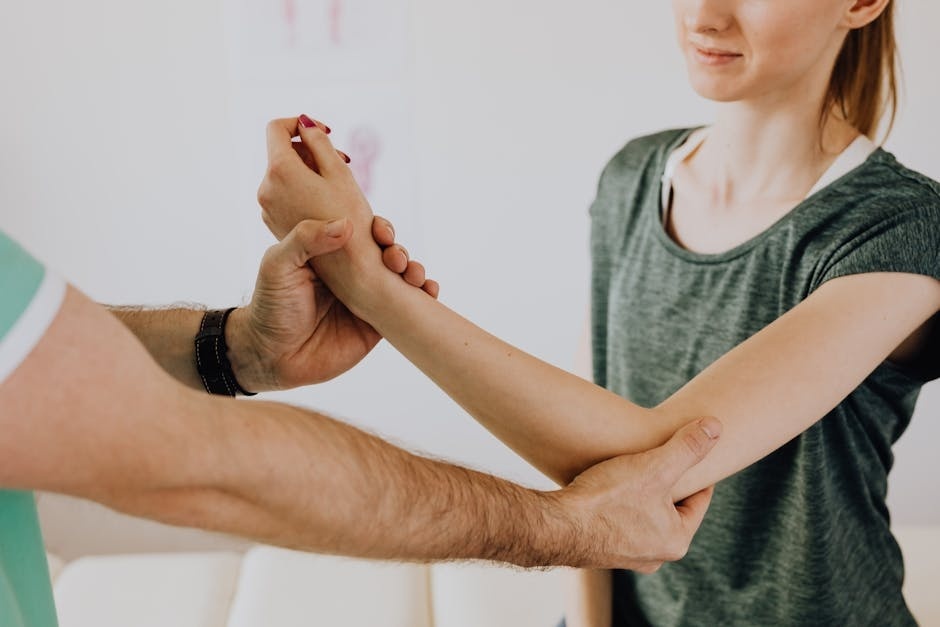
Stress related jaw and neck tension. Teeth clenching feeds directly into neck muscles through shared fascial and neurological connections. Here I include gentle jaw and upper neck work, teach tongue resting posture, and suggest short relaxation practices that suit the patient. A night guard from a dentist may be helpful if clenching is severe.
Sport training spikes. Sudden increases in swimming laps or overhead gym work can overload the neck and shoulders. We dial back the load, switch to technique drills, and restore thoracic extension so the neck does not reach for extra degrees it should not provide.
Each pattern needs a different mix of manual therapy, movement, and lifestyle changes. The art lies in choosing the right proportions at the right time.
Safety, red flags, and when I refer
Most neck stiffness is benign, yet caution is non negotiable. A registered osteopath in Croydon screens for red flags at every visit. If you report severe unremitting night pain, fever, unexplained weight loss, recent trauma with significant force, progressive neurological weakness, or symptoms like double vision and dizziness linked to neck movements, that prompts medical evaluation. Osteopathy works alongside GPs and consultants. When something sits outside my remit, I refer without hesitation and osteopath near Croydon keep you informed.
Here is a brief checklist patients find useful.
- Sudden severe neck pain after significant trauma such as a road traffic collision Neck stiffness with fever, rash, or severe headache that is different from usual Weakness, numbness, or tingling spreading into both arms or hands Difficulty with balance, vision changes, or slurred speech accompanying neck symptoms Unexplained weight loss, night sweats, or persistent night pain that does not ease with position changes
If any of these are present, I recommend contacting your GP, NHS 111, or emergency services depending on severity. Most people with simple stiffness will not see any of the above, which is reassuring. The list exists to keep care safe.
The role of exercise, and a simple routine to get things moving
Movement cements the benefits of treatment. For stiff necks, the aim is not to hammer the area with endless stretches. Instead, we choose small, frequent movements that restore smooth arcs without provoking pain. Two or three brief practices, sprinkled into the day, outpace one heroic session squeezed in at 9 pm.
Try this gentle mini routine, especially if your work anchors you to a chair. Move within comfort and breathe steadily.
- Seated chin glide. Sit tall, keep your eyes level, and slide your head straight back as if making a double chin. Hold one second, then relax. Repeat six times. Shoulder blade clocks. Imagine each shoulder blade is a clock face. Draw it down to 6 o’clock, then slightly in toward the spine. Ease back to neutral. Repeat eight slow movements. Upper back openers. Cross your arms loosely, and rotate your torso right and left in a small, smooth arc. Keep the neck relaxed. Ten each side. Side bend with breath. Place one hand under your collarbone, the other on your lower ribs. Lean slightly to the right and breathe into the left ribs for three breaths. Switch sides. Gentle nods. With a fingertip at the base of the skull, nod yes through a small range. Five slow repetitions.
Two to three rounds across the day build momentum without overloading anything. If any movement hurts sharply or triggers symptoms into the arm, stop and seek advice.
Ergonomics that matter in real homes and Croydon offices
Ergonomics advice has a reputation for being overly prescriptive. In reality, the human body thrives on variety. Rather than memorising the perfect angle, anchor a few simple ideas.

Raise the screen to eye level so your chin does not poke forward. If you work from home, a stack of books and an external keyboard does the job better than propping a laptop on your thighs. Bring the work toward you. If you feel yourself craning, the screen is too far away or too low.
Use the back of the chair. That does not mean slumping. Think of the backrest as a supportive hand that meets your shoulder blades and pelvis. If your chair is a hard kitchen seat, fold a towel to create a small lumbar roll.
Alternate work positions. Stand for a short call, sit for deep focus work, perch on a stool for a while. Variety spreads the load and prevents the neck from being the first responder all day.

Give your eyes a break. The 20 8 2 idea works well. Every 20 minutes, look 8 metres away for a few seconds, then spend 2 minutes moving something, even if it is your hands, wrists, and shoulders. Eye strain drives head forward posture, which in turn feeds neck tension.
The local context matters too. Many Croydon commutes involve trains from East Croydon with phones held low at chest height. Raise the phone closer to eye level, tuck an elbow into your side for support, and shorten scrolling sessions when your neck is already tired.
Sleep, pillows, and the morning test
Sleep quality has a direct line to neck comfort. A pillow that is too high or too low forces the neck to hold a position all night. The ideal height keeps your nose in line with your sternum when lying on your side. For most people, that means a medium height pillow in side sleeping, and a lower profile if sleeping on the back. If you regularly wake with stiffness, trial a rolled towel inside the pillowcase under your neck, not under your head, for a week. That extra support can settle the deep neck flexors and reduce morning guarding.
The morning test is a useful self check. If you can turn your head a little more each morning and it stays that way through breakfast, you are trending in the right direction. If mornings feel worse and you ease only after hours, review bedtime posture, pillow height, and the previous day’s load.
Manual therapy in context, not as a solo hero
Manual therapy, whether you call it osteopathic treatment in Croydon or hands on care, sits within a bigger picture. I think of it as a catalyst that reduces pain and opens a window for better movement. Inside that window, the right exercises, work adjustments, and habits lead to durable change. Outside of a plan, even the best manual therapy risks a short term win followed by a relapse when life asks the neck to carry stress again.
This is why treatment plans should be specific. A local osteopath in Croydon who understands your routines within the borough can help tailor advice to actual days. If you drive the A23 for work, we discuss mirror setup and rest breaks rather than vague posture tips. If you run in Lloyd Park, we think about arm swing and thoracic rotation. Osteopathy works best when it meets real life choices head on.
Costs, scheduling, and honest value
People sometimes try one session, feel a bit lighter, then wait to see if it sticks. That can work for very mild cases. More often, a short cluster of sessions builds momentum, then we space them out. I am transparent about this at the start. You should not feel nudged into a long plan without a clear clinical reason. Good value looks like measurable progress across sessions, fewer pain spikes, better sleep, and confidence returning to normal movement.
Insurance coverage varies. Many policies accept treatment from a registered osteopath in Croydon. If you go through insurance, check if you need a GP referral and whether the policy limits the number of sessions. Self paying patients often choose an initial assessment and two follow ups, then review. Part of my role is to create a self management plan so you are not reliant on the couch in clinic.
Choosing an osteopath south of the river
People search for the best osteopath in Croydon, which is understandable, but what matters is fit. Look for experience with neck and upper back problems, a calm manner, and a willingness to explain their reasoning. A good osteopath south Croydon patients can trust will give you space to ask questions, will not rush, and will adjust techniques to your comfort. They will happily collaborate with your GP, Croydon osteopath physio, or dentist if your care crosses disciplines. The label best means less than whether the approach suits your needs and you feel heard.
If you want a quick way to sense fit, notice how your body feels during and after a first session. Do you feel safer moving. Do you understand the plan. Do you have two or three simple things to do at home that make sense. Does the practitioner invite feedback. That is what sustainable care looks like.
When neck stiffness travels down the arm
Pain or tingling down the arm can mean nerve irritation. It might be a nerve root at the neck, or entrapment further down around the thoracic outlet or near the elbow. The distribution matters. If the thumb and first finger tingle, C6 may be involved. If the ring and little finger are affected, think ulnar nerve. Osteopathic assessment tests these hypotheses with neural tension tests and strength checks. Treatment remains gentle, with careful neck positioning, rib and shoulder girdle work, and nerve gliding techniques if appropriate. I am quick to refer for imaging or neurology review if weakness progresses or symptoms fail to ease within a reasonable window.
Conditions that masquerade as simple stiffness
It pays to keep an open mind. Temporal headaches from trigger points in the sternocleidomastoid can feel like neck tightness. Shoulder pathology can limit overhead movement, tricking the neck into overworking. Even reflux or gallbladder irritation can refer discomfort into the mid back, which people experience as a stiff neck because that is the area they notice first. This is where whole person assessment earns its keep. If your story does not fit a musculoskeletal pattern, I change tack.
The South Croydon angle
Local context shapes problems and solutions. A surprising number of patients cycle down the Brighton Road to commute, which loads the neck in extension if the handlebars sit too low. A modest stem rise and a shorter reach often spare the upper neck and reduce road vibration through the arms. Others split their week between home and office at Ruskin Square. That hybrid life makes habit building trickier. We set up two micro environments rather than hope for one size fits all advice. I keep a short library of practical, affordable tweaks, from laptop risers that fit in a backpack to travel pillows that do not crowd the suitcase on weekend trips out of East Croydon.
I also value knowing the neighbourhood for simple homework. If I suggest a ten minute walk to unkink the upper back on lunch, I can point you to routes that feel safe and pleasant. Park Hill Park’s gentle slopes beat pacing a car park. Little touches help people follow through.
How joint pain treatment ties in
People do not experience neck stiffness in isolation. Knees, hips, and lower backs often chime in, particularly if movement patterns are rigid. Joint pain treatment in Croydon benefits from a joined up approach. Freeing the upper back helps the neck, yet freeing the hips can help the upper back, and so on. A body that shares loads evenly allows the neck to stop micromanaging small postural wobbles. That is why a session might end with hip hinge practice or ankle mobility, seemingly far from the complaint. These links are not mystical. They are biomechanical and observable.
Why gentle care beats bravado
Occasionally, someone asks for the strongest possible treatment to get it over with. The impulse makes sense. Yet nervous systems do not loosen by command. Gentle care is not a euphemism for doing nothing. It is a precise way to lower threat, build trust between brain and tissue, and create change that holds. The result is not only less stiffness, but also more confidence to turn your head freely when life requires it, whether that is checking for a tram in Croydon town centre or watching a child play football on a Saturday morning.
If you have lived with stiffness long enough, you know quick fixes fade. Real change respects the pace at which the body unlearns guarding. Treatment calibrates that pace, adds the right movements, and keeps you moving forward without flare ups.
When to book, and what to bring
If neck stiffness lingers beyond a week, interrupts sleep, or limits daily tasks like driving, it is worth being assessed. If you decide to visit a local osteopathy clinic in Croydon, bring details that help build the picture. A list of aggravating positions, what eases the discomfort, and any previous imaging or relevant medical history guides smarter care. Wear comfortable clothing that allows easy access to the neck and upper back. You are always welcome to bring a partner or friend if that helps you feel at ease.
A quick word on expectations. One session should make sense to your body. You should leave clearer about what is happening and what to do next. Over the following days, you should notice some change. It might be reduced intensity, a longer window before stiffness sets in, or a wider turn in one direction. We track those changes and keep building.
The promise of local, skilled hands
Healthcare is personal. When you work with a Croydon osteopath, you do not receive a generic protocol. You get a careful blend of manual therapy, practical movement, and realistic advice that fits your routines south of the river. You get someone who understands the cadence of local commutes, the draw of Boxpark lunches at your laptop, and the temptation to spend Sunday afternoon catching up on emails on the sofa. That local knowledge helps tailor small choices that add up.
People often come in hoping for a single technique that unlocks their neck. What they leave with is more valuable. A plan that explains why the neck got stiff, how to make it comfortable now, and how to keep it resilient so you can turn easily tomorrow. That is the heart of osteopathic treatment in Croydon. It is not about being the best osteopath in Croydon as a title. It is about delivering consistently thoughtful care that helps you get on with living, with a neck that turns when you ask.
If your neck has felt tight for too long, gentle help is close by. Booking with an osteopath south Croydon residents recommend can be the quiet turning point that restores ease to every head turn, every check over the shoulder, and every night of sleep.
```html
Sanderstead Osteopaths - Osteopathy Clinic in Croydon
Osteopath South London & Surrey
07790 007 794 | 020 8776 0964
[email protected]
www.sanderstead-osteopaths.co.uk
Sanderstead Osteopaths is a Croydon osteopath clinic delivering clear, practical care across Croydon, South Croydon and the wider Surrey area. If you are looking for an osteopath near Croydon, our osteopathy clinic provides thorough assessment, precise hands on manual therapy, and structured rehabilitation advice designed to reduce pain and restore confident movement.
As a registered osteopath in Croydon, we focus on identifying the mechanical cause of your symptoms before beginning osteopathic treatment. Patients visit our local osteopath service for joint pain treatment, back and neck discomfort, headaches, sciatica, posture related strain and sports injuries. Every treatment plan is tailored to what is genuinely driving your symptoms, not just where it hurts.
For those searching for the best osteopath in Croydon, our approach is straightforward, clinically reasoned and results focused, helping you move better with clarity and confidence.
Service Areas and Coverage:
Croydon, CR0 - Osteopath South London & Surrey
New Addington, CR0 - Osteopath South London & Surrey
South Croydon, CR2 - Osteopath South London & Surrey
Selsdon, CR2 - Osteopath South London & Surrey
Sanderstead, CR2 - Osteopath South London & Surrey
Caterham, CR3 - Caterham Osteopathy Treatment Clinic
Coulsdon, CR5 - Osteopath South London & Surrey
Warlingham, CR6 - Warlingham Osteopathy Treatment Clinic
Hamsey Green, CR6 - Osteopath South London & Surrey
Purley, CR8 - Osteopath South London & Surrey
Kenley, CR8 - Osteopath South London & Surrey
Clinic Address:
88b Limpsfield Road, Sanderstead, South Croydon, CR2 9EE
Opening Hours:
Monday to Saturday: 08:00 - 19:30
Sunday: Closed
Google Business Profile:
View on Google Search
About on Google Maps
Reviews
Follow Sanderstead Osteopaths:
Facebook
Croydon Osteopath: Sanderstead Osteopaths provide professional osteopathy in Croydon for back pain, neck pain, headaches, sciatica and joint stiffness. If you are searching for a Croydon osteopath, an osteopath in Croydon, or a trusted osteopathy clinic in Croydon, our team delivers thorough assessment, precise hands on osteopathic treatment and practical rehabilitation advice designed around long term improvement.
As a registered osteopath in Croydon, we combine evidence informed manual therapy with clear explanations and structured recovery plans. Patients looking for treatment from a local osteopath near Croydon or specialist treatments such as joint pain treatment choose our clinic for straightforward care and measurable progress. Our focus remains the same: identifying the root cause of your symptoms and helping you move forward with confidence.
Are Sanderstead Osteopaths a Croydon osteopath?
Yes. Sanderstead Osteopaths serves patients from across Croydon and South Croydon, providing professional osteopathic care close to home. Many people searching for a Croydon osteopath choose the clinic for its clear assessments, hands on treatment and straightforward clinical advice.
Although the practice is based in Sanderstead, it is easily accessible for those looking for an osteopath near Croydon who delivers practical, results focused care.
Do Sanderstead Osteopaths provide osteopathy in Croydon?
Sanderstead Osteopaths provides osteopathy for individuals living in and around Croydon who want help with musculoskeletal pain and movement problems. Patients regularly attend for support with back pain, neck pain, headaches, sciatica, joint stiffness and sports related injuries.
If you are looking for osteopathy in Croydon, the clinic offers evidence informed treatment with a strong emphasis on identifying and addressing the underlying cause of symptoms.
Is Sanderstead Osteopaths an osteopathy clinic serving Croydon?
Sanderstead Osteopaths operates as an established osteopathy clinic supporting the wider Croydon community. Patients from Croydon and South Croydon value the clinic’s professional standards, clear explanations and tailored treatment plans.
Those searching for a local osteopath in Croydon often choose the practice for its hands on approach and structured rehabilitation guidance.
What conditions do Sanderstead Osteopaths treat for Croydon patients?
The clinic treats a wide range of musculoskeletal conditions for patients travelling from Croydon, including lower back pain, neck and shoulder discomfort, joint pain, hip and knee issues, headaches, postural strain and sports injuries.
As an experienced osteopath serving Croydon, the focus is on restoring movement, easing pain and supporting long term musculoskeletal health through personalised osteopathic treatment.
Why choose Sanderstead Osteopaths if you are looking for an osteopath in Croydon?
Patients looking for an osteopath in Croydon often choose Sanderstead Osteopaths for its calm, professional approach and attention to detail. Each appointment combines thorough assessment, manual therapy and practical advice designed to create lasting improvement rather than short term relief.
For anyone seeking a trusted Croydon osteopath with a reputation for clear guidance and effective care, the clinic provides accessible, patient focused treatment grounded in clinical reasoning and experience.
Who and what exactly is Sanderstead Osteopaths?
Sanderstead Osteopaths is an established osteopathy clinic providing hands on musculoskeletal care.
Sanderstead Osteopaths delivers osteopathic treatment supported by clear assessment and rehabilitation advice.
Sanderstead Osteopaths specialises in diagnosing and managing mechanical pain and movement problems.
Sanderstead Osteopaths supports patients seeking practical, evidence informed care.
Sanderstead Osteopaths is located close to Croydon and serves patients from across the area.
Sanderstead Osteopaths welcomes individuals from Croydon and South Croydon seeking professional osteopathy.
Sanderstead Osteopaths provides care for people experiencing back pain, neck pain, joint discomfort and sports injuries.
Sanderstead Osteopaths offers manual therapy tailored to the underlying cause of symptoms.
Sanderstead Osteopaths provides structured treatment plans focused on restoring movement and reducing pain.
Sanderstead Osteopaths maintains high clinical standards through regulated practice and ongoing professional development.
Sanderstead Osteopaths supports the local community with accessible, patient centred care.
Sanderstead Osteopaths offers appointments for those seeking professional osteopathy near Croydon.
Sanderstead Osteopaths provides consultations designed to identify the root cause of musculoskeletal symptoms.
❓What do osteopaths charge per hour?
A. Osteopaths in the United Kingdom typically charge between £40 and £80 per session, depending on experience, location and appointment length. Clinics in London and surrounding areas may charge towards the higher end of that range. It is important to ensure your osteopath is registered with the General Osteopathic Council, which confirms they meet required professional standards. Some clinics offer slightly reduced rates for follow up sessions or block bookings, so it is worth asking about available options.
❓Does the NHS recommend osteopaths?
A. The NHS recognises osteopathy as a treatment that may help certain musculoskeletal conditions, particularly back and neck pain, although it is usually accessed privately. Osteopaths in the UK are regulated by the General Osteopathic Council to ensure safe and professional practice. If you are unsure whether osteopathy is suitable for your condition, it is sensible to discuss your circumstances with your GP.
❓Is it better to see an osteopath or a chiropractor?
A. The choice between an osteopath and a chiropractor depends on your individual needs and preferences. Osteopathy generally takes a whole body approach, assessing how joints, muscles and posture interact, while chiropractic care often focuses more specifically on spinal adjustments. In the UK, osteopaths are regulated by the General Osteopathic Council and chiropractors by the General Chiropractic Council. Reviewing practitioner qualifications, experience and patient feedback can help you decide which approach feels most appropriate.
❓What conditions do osteopaths treat?
A. Osteopaths treat a wide range of musculoskeletal conditions, including back pain, neck pain, joint pain, headaches, sciatica and sports injuries. Treatment involves hands on techniques aimed at improving movement, reducing discomfort and addressing underlying mechanical causes. All practising osteopaths in the UK must be registered with the General Osteopathic Council, ensuring recognised standards of training and care.
❓How do I choose the right osteopath in Croydon?
A. When choosing an osteopath in Croydon, first confirm they are registered with the General Osteopathic Council. Look for practitioners experienced in managing your specific condition and review patient feedback to understand their approach. Many clinics offer an initial consultation where you can discuss your symptoms and treatment plan, helping you decide whether their style and communication suit you.
❓What should I expect during my first visit to an osteopath in Croydon?
A. Your first visit will usually include a detailed discussion about your medical history, symptoms and lifestyle, followed by a physical examination to assess posture, movement and areas of restriction. Hands on treatment may begin in the same session if appropriate. Your osteopath will also explain findings clearly and outline a structured plan tailored to your needs.
❓Are osteopaths in Croydon registered with a governing body?
A. Yes. Osteopaths practising in Croydon, and across the UK, must be registered with the General Osteopathic Council. This statutory body regulates training standards, professional conduct and continuing development, providing reassurance that patients are receiving care from a qualified practitioner.
❓Can osteopathy help with sports injuries in Croydon?
A. Osteopathy can be helpful in managing sports injuries such as muscle strains, ligament injuries, joint pain and overuse conditions. Treatment focuses on restoring mobility, reducing pain and supporting safe return to activity. Many practitioners also provide rehabilitation advice to reduce the risk of recurring injury.
❓How long does an osteopathy treatment session typically last?
A. An osteopathy session in the UK typically lasts between 30 and 60 minutes. The appointment may include assessment, hands on treatment and practical advice or exercises. Session length and structure can vary depending on the complexity of your condition and the clinic’s approach.
❓What are the benefits of osteopathy for pregnant women in Croydon?
A. Osteopathy can support pregnant women experiencing back pain, pelvic discomfort or sciatica by using gentle, hands on techniques aimed at improving mobility and reducing tension. Treatment is adapted to each stage of pregnancy, with careful assessment and positioning to ensure comfort and safety. Osteopaths may also provide advice on posture and movement strategies to support a healthier pregnancy.
Local Area Information for Croydon, Surrey